Showing posts with label Jane Eyre. Show all posts

Monday, April 21, 2014

Charlotte Bronte was Born - 1816


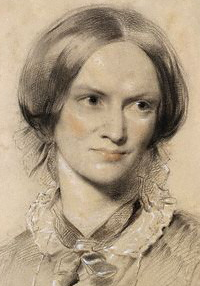
On this date in English literary history – April 21, 1816, Charlotte Bronte was born. She was one of six siblings who grew up in a gloomy parsonage in the remote English village of Hawthorne, surrounded by the marshy moors of Yorkshire. Her mother died when she was five, and Charlotte, her two older sisters, and her younger sister Emily, were sent to Clergy Daughter's School at Cowan Bridge in Lancashire. The cheap school featured unpalatable food, cold halls, and harsh discipline. Charlotte's two older sisters died of illness while at school, and the grim institution found its way into her masterpiece Jane Eyre (1847).

After their sisters’ deaths, Charlotte and Emily were brought home, where they and their remaining siblings, Anne and Branwell, amused themselves by making up elaborate stories about fantastical worlds. When the girls grew older, they all took governess positions in private homes, and from 1835 to 1838 Charlotte taught in a girls' school. Meanwhile, she and Emily formed a plan to open their own school, and in 1842 the sisters went to Brussels to study languages and school administration. In Brussels, Charlotte fell in love with the married headmaster, an experience she used as the basis for her last novel, Villette (1853). Returning to the parsonage at Hawthorne, the sisters attempted to set up their own school but could not attract pupils. Meanwhile, their adored brother Branwell had become a heavy drinker and opium user. When Emily got him a job teaching with her at a wealthy manor, he lost both their positions after a tryst with the mother of the house. 

In 1846, Charlotte accidentally found some poems written by Emily, it turned out all three sisters had secretly been writing verse. They published their own book, Poems by Currer, Ellis and Acton Bell, adopting a pseudonym because they believed women writers were judged too softly. Only two copies sold, but publishers became interested in the sisters' work. Charlotte's Jane Eyre was published in 1847 under the name Currer Bell. Emily's Wuthering Heights and Anne's Agnes Grey were published later that year. Sadly, all three of Charlotte's siblings died within the next two years. Left alone, Charlotte cared for her ill father and married Arthur Bell Nicholls in 1854. Charlotte died during childbirth shortly after the marriage.


Michael Thomas Barry is the author of numerous books that include Literary Legends of the British Isles: The Lives & Burial Places of 50 Great Writers. For more information about the author visit his website www.michaelthomasbarry.com

The book can be purchased from Amazon through the following link:
Amazon - http://www.amazon.com/Literary-Legends-British-Isles-Writers/dp/0764344382/ref=sr_1_1?ie=UTF8&qid=1398092633&sr=8-1&keywords=michael+thomas+barry

Sunday, April 21, 2013

British novelist Charlotte Bronte was born - 1816


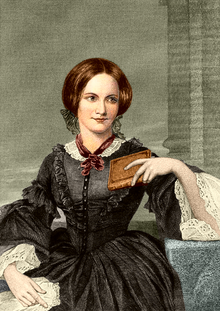
British novelist Charlotte Bronte was born on April 21, 1816 in Thornton, Yorkshire, England. She was the only one of three Bronte sisters to live past age 31. Charlotte was one of six siblings who grew up in a gloomy parsonage in the remote English village of Hawthorne, surrounded by the marshy moors of Yorkshire. Her mother died when she was five, and Charlotte, her two older sisters, and her younger sister Emily, were sent to Clergy Daughter's School at Cowan Bridge in Lancashire. The cheap school featured unpalatable food, cold halls, and harsh discipline. Charlotte's two older sisters died of illness while at school, and the grim institution found its way into her masterpiece Jane Eyre (1847).

After their sisters' deaths, Charlotte and Emily were brought home, where they and their remaining siblings, Anne and Branwell, amused themselves by making up elaborate stories about fantastical worlds. When the girls grew older, they all took governess positions in private homes and from 1835 to 1838 Charlotte taught in a girls' school. Meanwhile, she and Emily formed a plan to open their own school, and in 1842 the sisters went to Brussels to study languages and school administration. In Brussels, Charlotte fell in love with the married headmaster, an experience she used as the basis for her last novel, Villette (1853). Returning to the parsonage at Hawthorne, the sisters attempted to set up their own school but could not attract pupils. Meanwhile, their adored brother Branwell had become a heavy drinker and opium user. When Emily got him a job teaching with her at a wealthy manor, he lost both their positions after a tryst with the mother of the house.

In 1846, Charlotte accidentally found some poems written by Emily. It turned out all three sisters had secretly been writing verse. They published their own book, Poems by Currer, Ellis and Acton Bell, adopting a pseudonym because they believed women writers were judged too softly. Only two copies sold, but publishers became interested in the sisters' work. Charlotte's Jane Eyre was published in 1847 under the name Currer Bell. Emily's Wuthering Heights and Anne's Agnes Grey were published later that year. Sadly, all three of Charlotte's siblings died within the next two years. Left alone, Charlotte cared for her ill father and married curate Arthur Bell Nicholls in 1854. Charlotte died during pregnancy shortly after the marriage on March 31, 1855.


Michael Thomas Barry is the author of Great Britain’s Literary Legends. The book can be purchased from Amazon through the following links:

Amazon - http://www.amazon.com/Great-Britains-Literary-Legends-Writers/dp/0764344382/ref=sr_1_2?ie=UTF8&qid=1366582563&sr=8-2&keywords=michael+thomas+barry

Amazon UK - http://www.amazon.co.uk/Great-Britains-Literary-Legends-Writers/dp/0764344382/ref=sr_1_2?ie=UTF8&qid=1366582597&sr=8-2&keywords=michael+thomas+barry


Tuesday, March 5, 2013

Charlotte Bronte refuses marriage proposal - 1839


On March 5, 1839, Charlotte Bronte writes to the Reverend Henry Nussey, declining marriage. The 23-year-old Bronte told him that he would find her "romantic and eccentric" and not practical enough to be a clergyman's wife. Charlotte was born in 1816, one of six siblings born to an Anglican clergyman. When she was five, the family moved to the remote village of Haworth on the moors of Yorkshire. The gloomy parsonage produced some of the best-known novels in English literature. Bronte's mother died in 1821, and Charlotte and her older sisters were sent to the Cowan Bridge School, a cheap boarding school for daughters of the clergy. However, Charlotte was brought home, where she and her siblings, Branwell, Emily, and Anne, invented and wrote about elaborate fantasy worlds to amuse themselves.

Shortly after declining the proposal of Reverend Nussey, Charlotte went to Brussels with her sister Emily to study languages and school administration. Returning to the parsonage at Haworth, the sisters attempted to set up their own school, but no pupils registered. Meanwhile, their adored brother Branwell was becoming a heavy drinker and opium user. He eventually died from tuberculosis. In 1846, Charlotte ran across some poems that Emily had written, which led to the revelation that all three sisters were secret poets. The sisters published their own book, Poems by Currer, Ellis and Acton Bell. Only two copies sold, but publishers became interested in the sister’s other works. Charlotte, under the pen name Currer Bell, published Jane Eyre in 1847. Emily's Wuthering Heights and Anne's Agnes Grey were published later that year. Sadly, all three of Charlotte's siblings died within the next two years. Left alone, Charlotte cared for her ill father and married his curate, Arthur Bell Nicholls, just a year after she published Villette, a novel inspired by a failed romance she had in Brussels years before.  

Charlotte became pregnant soon after the marriage but her health declined rapidly. She died with her unborn child on March 31, 1855, aged 38. She may have died from dehydration and malnourishment, caused by excessive vomiting from severe morning sickness. There is evidence to suggest that Charlotte might have died from typhus which she may have caught from a household servant. Charlotte was interred in the family vault in the Church of St. Michael and All Angels at Haworth.


Michael Thomas Barry is the author of Great Britain’s Literary Legends. The book can be purchased through the following links: